
Migrants in Ceuta, a historic double World Cup, and dozens of other stories that genuinely matter if you live in Spain or plan to move here. Here's the summer, gathered into one article: no sensational headlines, just context and specifics.
If you'd rather follow a ready-made plan than piece the information together yourself, we built Dream Spain Starter: an online relocation prep program for 49€, with clear steps from visa to life on the ground. 👉 Learn more about the program
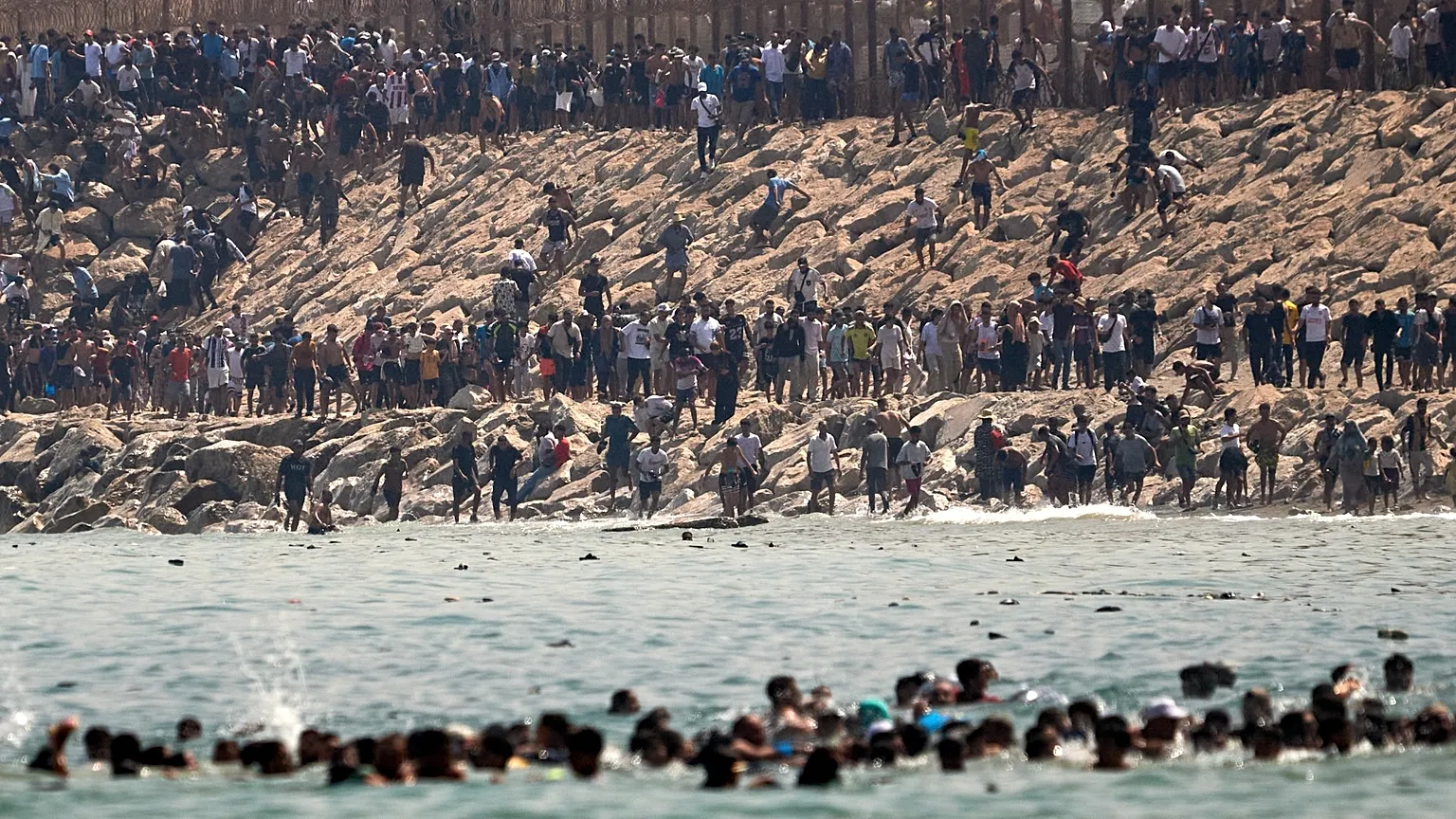
70,000 migrants in Ceuta: what actually happened
Headlines about "70,000 illegal migrants storming Spain" caused panic, but the context matters. Spain is the only EU country with territory on two continents: Europe and Africa. The migrants entered specifically the African part of the country, Ceuta, not mainland Spain.
The trigger was a Spanish Supreme Court ruling from June 29: in one narrow case, a person was allowed to stay because he crossed the border by swimming and technically didn't breach the border fencing. It was a decision on one specific case, but the news spread through messaging apps with the claim that anyone reaching Ceuta by sea wouldn't be deported.
There's broader geopolitics behind it too: Spain has been building ties with Algeria over gas supplies, and Morocco, left out of that relationship, responded with migration pressure. Most of those who arrived have already been deported, but a few thousand remain, mostly minors who can't be removed without a parent or guardian. The situation hasn't affected mainland Spain.

Regularization: record numbers, record employment
The mass regularization program officially closed a month ago, but the numbers behind it are still making headlines. Spain expected around 500,000 applications. It received 1,200,000, more than double the forecast, with roughly 250,000 of those from Catalonia alone.
The practical effect: people who used to work off the books are now registered with social security. Spain logged its highest employment figures on record last month, largely thanks to this group of workers coming out of the informal economy. Politically, the country is split: left-leaning parties call it a success story, right-leaning parties argue it rewards irregular entry and encourages more of it.
Spanish villages inviting people in: the catch
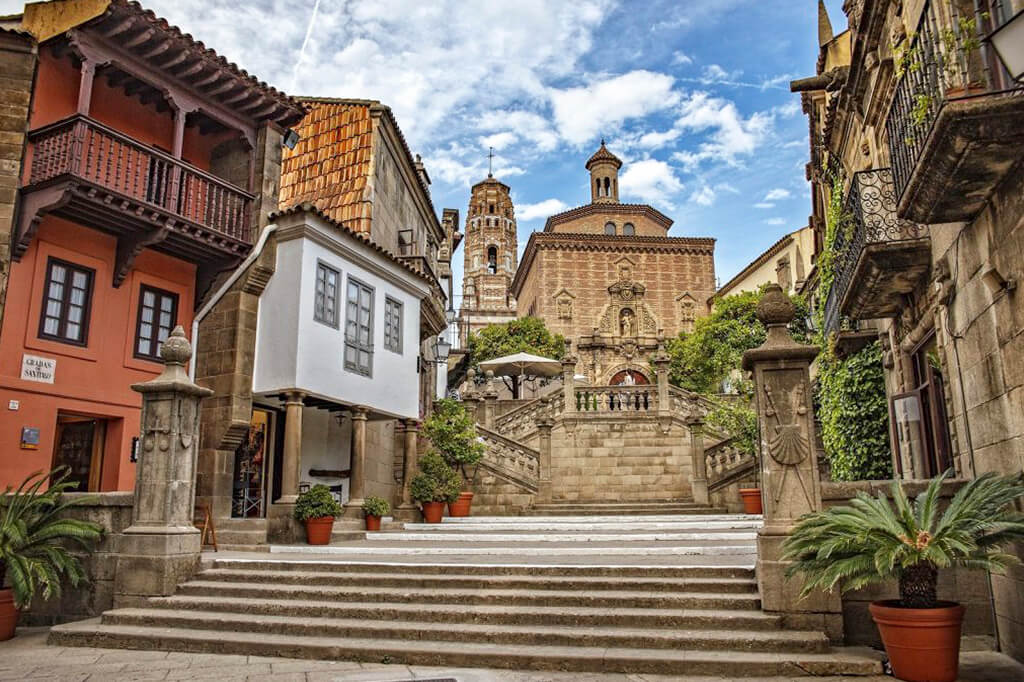
Several depopulated Spanish villages run programs inviting people to move in: free housing, a job, sometimes even a bar to run. These posts go viral constantly (one of our own reels on this topic passed a million views), and a lot of people apply without knowing the key detail.
These villages have no connection to Extranjería and cannot help with visas or legal status. What they offer is real: empty houses, existing infrastructure, a genuine need for people. What they can't offer is documents. The rule is simple: legal status first, village program second. Student residency, Digital Nomad Visa, Non-Lucrative Visa, any legal status works. Only after that can you apply to live in one of these towns.
If you need help finding your legal path into Spain, including matching it to a regional program like this, let's work through it together. Book a consultation
100% mortgages for Madrid residents
Madrid expanded its Mi Primera Vivienda mortgage program: financing for homes worth up to 425,000 euros, up to 100% of the value with no down payment required. The standard age limit is 40, but for large families, single-parent families, and parents of a newly born or adopted child, that age cap is lifted entirely.
Normally banks ask for at least 20% in savings upfront, and without it you get an unfavourable rate. Here, the region itself acts as guarantor with the bank, covering the missing percentage. The catch: you need at least 2 years of registered address (empadronamiento) in Madrid before applying, not just registration at the time of purchase. Applications are accepted until September 20, 2026, or until the allocated budget runs out, whichever comes first.
Europe is voting on new euro banknote designs
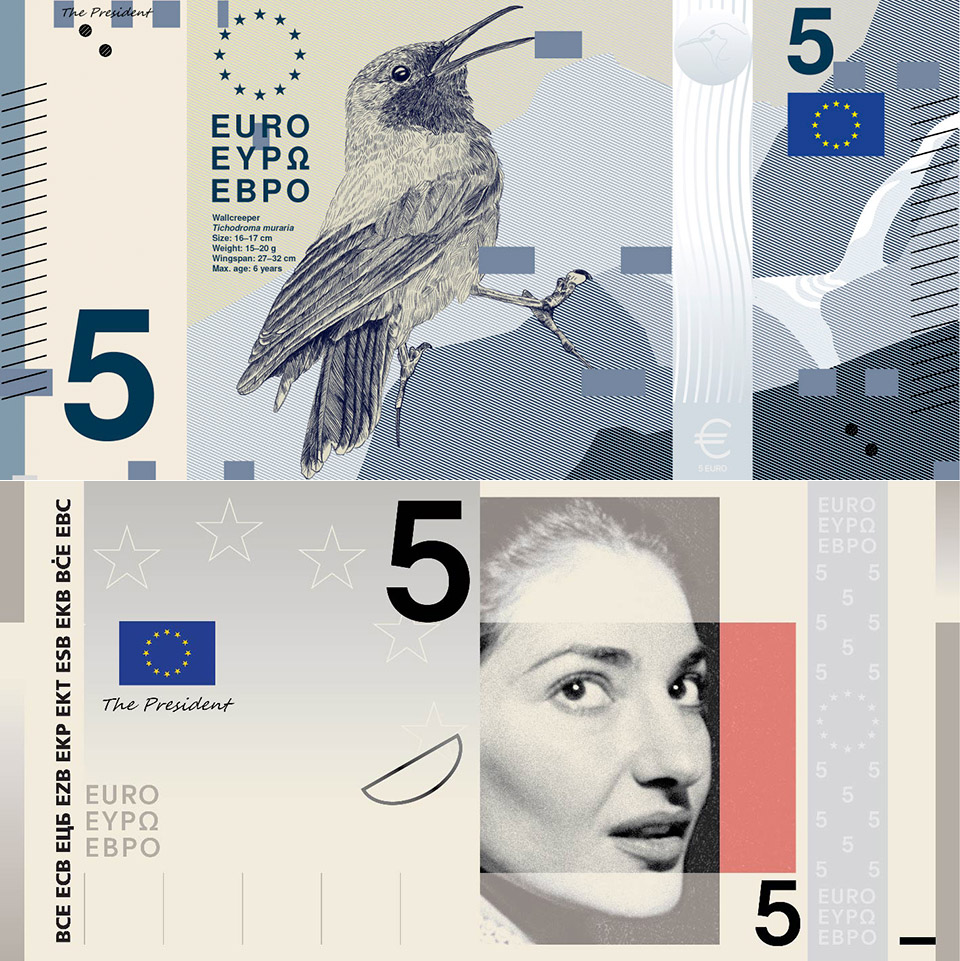
Voting is open until September 21 to choose the new look of euro banknotes, and it's turned into an unexpectedly fun debate. The original design concept featured portraits of major European historical figures: Cervantes for Spain, Einstein and Marie Curie for other countries. People, it turns out, are tired of portraits.
The current frontrunner: birds. A design featuring different European bird species in green, yellow, red, and blue is leading the vote. If you're in Europe and want to weigh in before the deadline, the voting page is open to the public.
Sick leave hits a historic high: one in three workers in Catalonia
In 2025, Spain's sick leave rate hit an all-time high. The leader of the Partido Popular compared it to "a cancer we can't afford." In Catalonia and the Basque Country specifically, the numbers are severe enough that some sectors are genuinely struggling to operate with the workforce they have on paper.
There are three real categories behind the statistic. Genuinely ill people who can't work: real medical issues, pregnancy, recovery from injury, nobody disputes that. People on long-term leave for depression, sometimes for one, two, or three years, during which the employer and then social security continue paying their salary. And a smaller group that plays the system: working a job for a couple of months, then going on sick leave and staying there for a year or two while still collecting income.
The legal nuance: while on sick leave, an employee retains the right to rest, travel, and go out. There have been real cases of employers firing staff over Instagram photos from a beach trip while on leave, and the employees winning wrongful termination cases by arguing the trip was part of their prescribed treatment (sea air, music therapy), sometimes walking away with extra compensation.
Where Spaniards themselves are vacationing
Domestically, the cooler north is popular: while Barcelona sits around 35°C this summer, the Basque Country stays closer to 25°C during the day and around 20°C at night. Internationally, the sharpest new trend is Eastern Europe: 27% more Spanish tourists are heading to Poland this year, plus growing numbers to Serbia, Slovenia, and Bulgaria.
At the same time, flights to the Middle East are dropping fast: Emirates is down 25%, Qatar Airways down 29%. New direct routes from budget airlines opened up Eastern Europe, and cost-conscious Spanish travellers picked up the new options quickly.
Spain expects a record 100 million tourists
For the first time, Spain expects to welcome 100 million tourists in a single year. The top source countries: the UK, Germany, France, the Netherlands, Italy, and a significant flow from the United States.
The flip side: growing tourism fatigue among locals, especially on the islands. Mallorca and Ibiza are visibly overcrowded, and demonstrations against overtourism happen regularly. At the same time, tourism boards keep actively promoting Spain abroad. It's a genuine contradiction the country hasn't resolved: wanting the revenue while struggling with the volume.
New restrictions on tourist rentals
Andalusia and Málaga banned new hotel construction and new tourist rental licenses. Catalonia went further: Barcelona's mayor, Jaume Collboni, announced that all tourist rental licenses in Barcelona and Catalonia, more than 10,000 of them, will be revoked starting in 2028. The idea is that these flats then return to the long-term rental market for locals instead of tourists.
Whether it works as intended is genuinely uncertain. There's no guarantee an owner losing a tourist license will rent long-term rather than sell the flat, keep it empty, or move in themselves. And tourists will likely still come, either paying more for hotels or renting in a greyer, less regulated market. Already visible side effects: on some beaches near Barcelona, tourists without hotel budgets have been pitching tents illegally, facing fines that can reach 20,000 euros.
A new smoking ban law is expanding
Spain's Council of Ministers approved a new bill that significantly tightens anti-smoking legislation. It still needs parliament's approval before it becomes law.
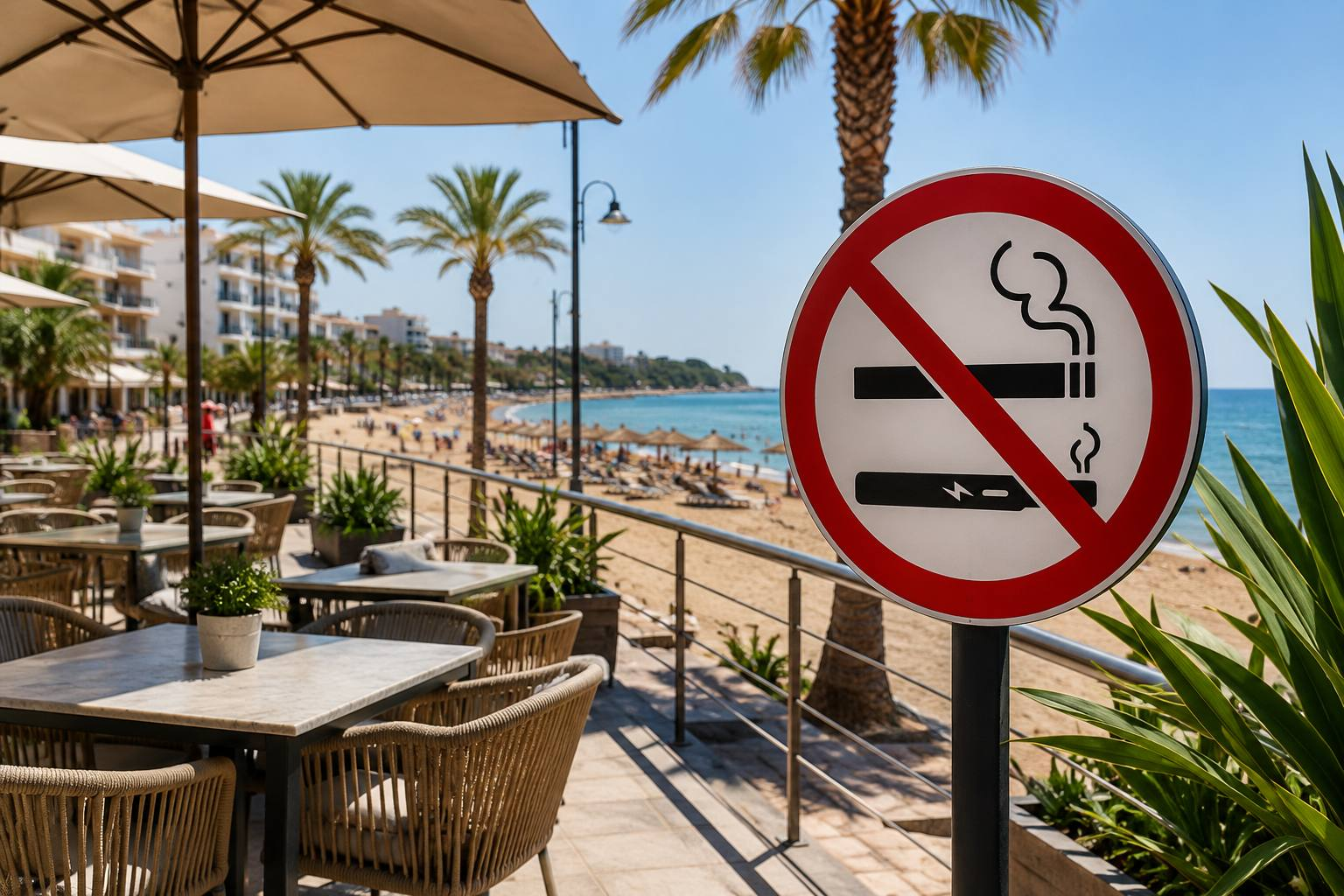
The main change: the list of smoke-free zones expands considerably. Smoking will be banned on the terraces of bars, restaurants, and other food and drink venues, on sea and river beaches, in public swimming pools, at sports facilities, in national parks, and at any public event. A separate 15-metre protective zone will apply around the entrances to public spaces, museums, and cultural centres, where smoking will also be prohibited.
The Ministry of Health's reasoning is simple: someone who wants to enjoy a coffee on a terrace shouldn't have to breathe smoke from the table next to them.
An important detail for anyone who switched to e-cigarettes thinking it was a compromise: the law treats vapes the same as regular cigarettes, and the same restrictions apply to them and to shisha.
The ministry has stated plainly that the goal is to return Spain to the forefront of tobacco control in Europe. The country has been through similar reforms before: smoking was banned in enclosed workplaces in 2005, then in bars and restaurants in 2010. This new law is the next logical step.
If parliament approves the bill, fines for violations will start at 200 euros, with the exact amount depending on the severity of the offence.
Medicine: a record year for new doctors and near-elimination of hepatitis C
2026 is a record year for medical residency admissions under the MIR system: 9,276 new positions filled, including a brand-new specialty, emergency medicine, introduced for the first time (82 new spots, claimed within three weeks). Spain is actively simplifying the process for recognising foreign medical diplomas (homologación) to attract doctors from abroad.
Good news if you're a medical professional considering the move: check the shortage occupation list for your specialty, and consider starting Spanish now, remotely, while your diploma homologation is in progress.
Separately: since 2015, Spain has fully cured more than 172,000 hepatitis C patients, with treatment effectiveness above 94%, ahead of the WHO's own target timeline. The main challenge left isn't treatment, it's finding people who don't yet know they're infected. And the Spanish Association Against Cancer allocated over 10 million euros to 39 research projects in pediatric oncology, including trials targeting brain tumors in children.

Spain: double world champion at once
For the first time in tournament history, one country holds both the men's and the women's football World Cup titles simultaneously. And in 2030, Spain co-hosts the World Cup with Portugal and Morocco: 11 of the tournament's stadiums will be on Spanish soil. It will be the country's second World Cup and the first World Cup ever held across three continents at once.
Jobs: where to look this summer
In Valencia, Ford and China's Chery are forming a joint venture at the Almusafes plant, saving thousands of jobs amid a broader slowdown in European car manufacturing. Anyone job-hunting in manufacturing should check InfoJobs, LinkedIn, and Indeed for openings near plants like this one.
In retail, a notable milestone: Spanish brand Massimo Dutti entered the world's top 10 most desired brands for the first time, the only mass-market name in a top 20 otherwise dominated by luxury labels. A good signal for anyone considering a retail career here.

A few nice things from this summer
Renfe now allows dogs up to 40 kg on all train categories, not just high-speed ones, welcome news for anyone travelling the country with a larger pet. You'll need to buy your dog its own ticket, but travelling together just got much easier.
And a warm story: a Spanish startup called Maximiliana connected 17 women over the age of 100, one from each region of the country, for the longest video call in history by combined age: together they total 1,757 years. The project grew out of an engineer's frustration in 2020, when he couldn't get his own grandmother to answer his calls, so he built a phone that answers itself. Today, more than 4,000 people use it.
An astronomical summer: eclipse and meteor shower
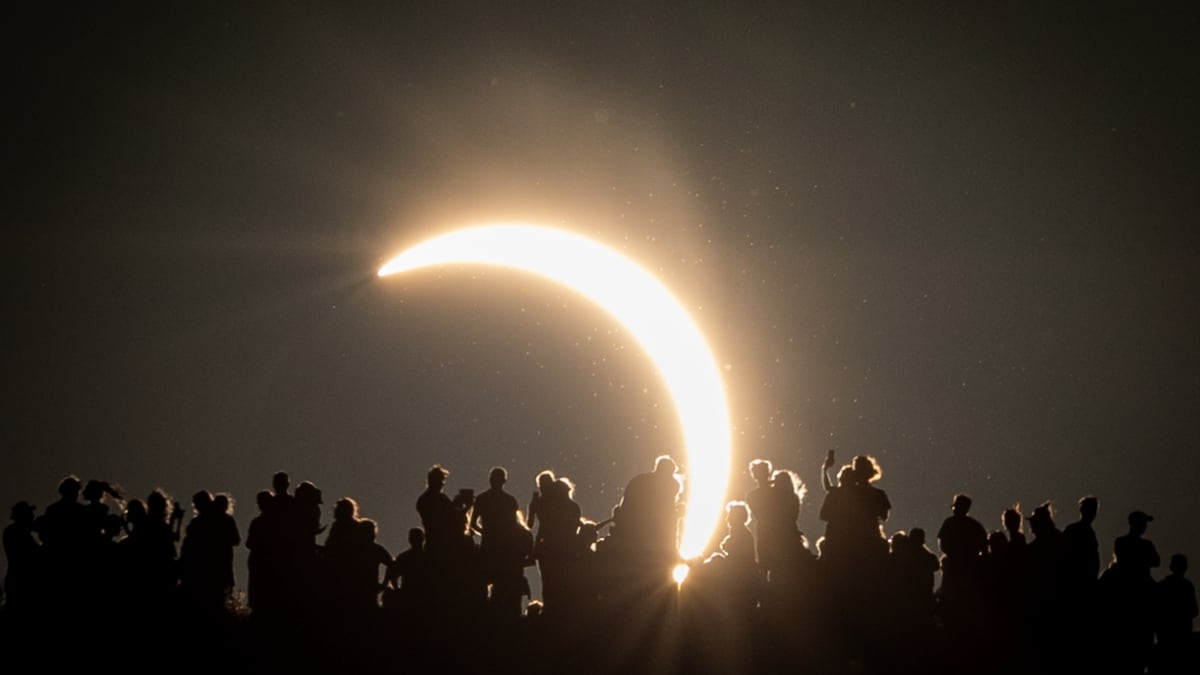
While wildfires across several regions dominate the news, Spain's sky delivered something else entirely: on August 12, 2026, mainland Spain witnessed its first total solar eclipse in 121 years. The last comparable event was back on August 30, 1905.
The path of totality, up to 290 km wide, crossed the country from northwest to southeast: Galicia, Asturias, Castilla y León, the Basque Country, Aragón, Valencia, and the Balearic Islands, touching more than twenty provincial capitals. The best viewing conditions were around Oviedo, Burgos, Soria, Zaragoza, and Palma de Mallorca.
This particular eclipse had a twist: it happened in the evening, shortly before sunset, so the sun sat low on the horizon during totality. Totality itself lasted around a minute and a half depending on the exact viewing point, and it's during those seconds that the solar corona became visible to the naked eye.
The scale of the event was serious enough that the Spanish government set up a dedicated inter-agency commission to coordinate safety, transport, and public information. And this is only the start: Spain has entered a rare run of three solar eclipses in three consecutive years, the so-called Iberian Trio. The next total eclipse comes August 2, 2027, followed by an annular eclipse in January 2028.
Right on the eclipse's heels, the night of August 12 into 13 brought the peak of the Perseid meteor shower, the annual display caused by Earth passing through the debris trail of comet Swift-Tuttle. 2026 offered close to ideal viewing conditions: the peak coincided with a new moon, so no moonlight washed out the fainter meteors. Under clear, dark skies, viewers could see up to 100 meteors an hour, roughly one or two every minute.
Perseid particles hit the atmosphere at around 60 km per second, hundreds of times faster than a bullet. The largest ones, roughly pea-sized, burn slowly enough to leave a glowing trail visible for a second or two: these are called fireballs, and they look exactly like their name suggests.
Current approval timelines
A few practical updates from our own team. Getting an appointment for fingerprints (Cita Previa) remains genuinely difficult, and unofficial resellers charge 100 to 200 euros for slots. Several regions are piloting a system where approval of your residency automatically books your fingerprint appointment, which would eliminate the reselling problem entirely. It's not live everywhere yet, but the direction looks promising. In Barcelona in the meantime, you can join a walk-in queue at Rambla de Gipuzkoa early in the morning without a booked slot at all.
Current processing times we're seeing with our own clients this summer: Digital Nomad Visa around 10 to 12 business days, student visa 2 to 3 months, citizenship around 6 months, permanent residency around 3 months, family reunification with an EU citizen spouse around 2 months. Extranjería is operating at normal speed even through August.
Final thoughts
Summer 2026 showed Spain in its full contradiction: migration pressure at the border and record regularization inside the country, new restrictions on tourism alongside record tourist numbers, and a double World Cup title that brought the whole country together. If you're planning a move for autumn, now is the right time to start preparing: documents, finances, and a clear plan rarely come together quickly.
👉 Apply for Dreamlife turnkey relocation!
Residency renewal, immigration news, shifting rules: these are all just individual chapters of life in Spain. We gathered every key topic, from visas and budgeting to taxes and first steps, into one structured program.

Dream Spain Starter is an online course on moving to and living in Spain for 49€. Work through your visa, budget, city choice, housing, bank account, insurance, taxes, and first steps after the move. 7 modules, video lessons, a "100 answers to 100 questions" document, templates, and checklists in one clear system.
Sources
This material is based on public news from summer 2026 and DreamLife Spain's own client experience. To verify current information on the topics covered, we recommend these official sources:
- Extranjería, Ministerio de Inclusión: immigration procedures and residency status
- Ministerio del Interior: border and migration statistics
- INE, Instituto Nacional de Estadística: official tourism and employment data
- Ministerio de Sanidad: the MIR system and healthcare indicators
- Renfe: official pet travel rules
- OCU, Organización de Consumidores y Usuarios: electricity rate comparisons


